OnlyMelbourne.com.au for things to do in the world's most loveable city.
What's on Melbourne: Experiences today, tomorrow & beyond. Entertainment, festivals, live music, theatre.. every day of the year. #LoveMelbourne
* OnlyMelbourne.com.au *

Impossible Occurrences! Melbourne Magic Show
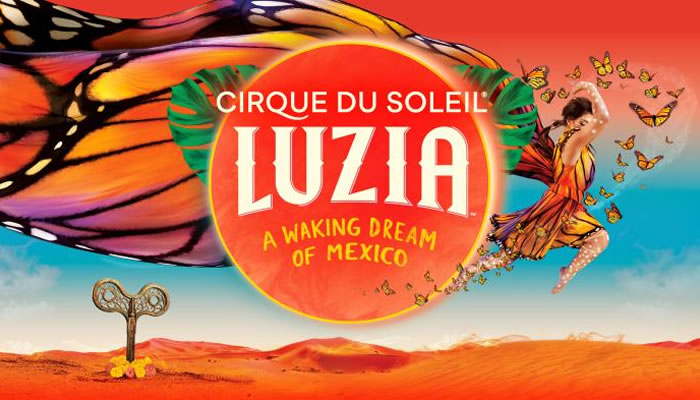
Cirque du Soleil: LUZIA
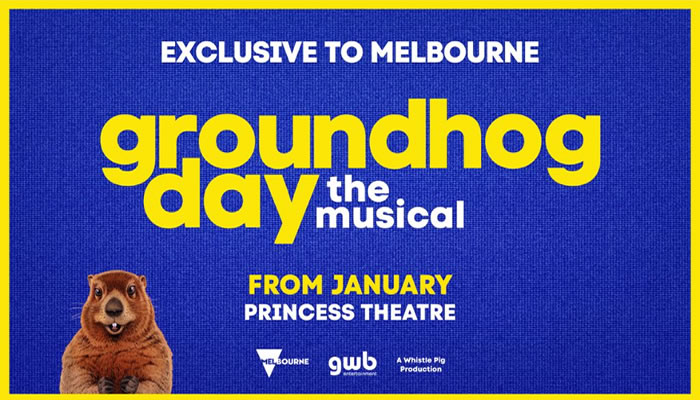
Groundhog Day | The Musical
* OnlyMelbourne.com.au *
Impossible Occurrences! Melbourne Magic Show
Cirque du Soleil: LUZIA
Groundhog Day | The Musical
* OnlyMelbourne.com.au *
Impossible Occurrences! Melbourne Magic Show
Cirque du Soleil: LUZIA
Groundhog Day | The Musical
* OnlyMelbourne.com.au *
Impossible Occurrences! Melbourne Magic Show
Cirque du Soleil: LUZIA
Groundhog Day | The Musical



#featured picks

Tired of swiping left and right on dating apps hoping to find a genuine connection? Say goodbye to awkward online conversations and hello to our Singles Indoor Golf Mixer Event.. ..

'An Evening with Aravinda' dinner / dance / Q&A will be held on Saturday 25th May 2024 at the Box Hill Town Hall. The event will felicitate and celebrate former international c.. ..

Discover Melbourne's best with our By River and Sky packages. Experience breathtaking views from Melbourne Skydeck and tranquil beauty on Melbourne River Cruises. An unforg.. ..

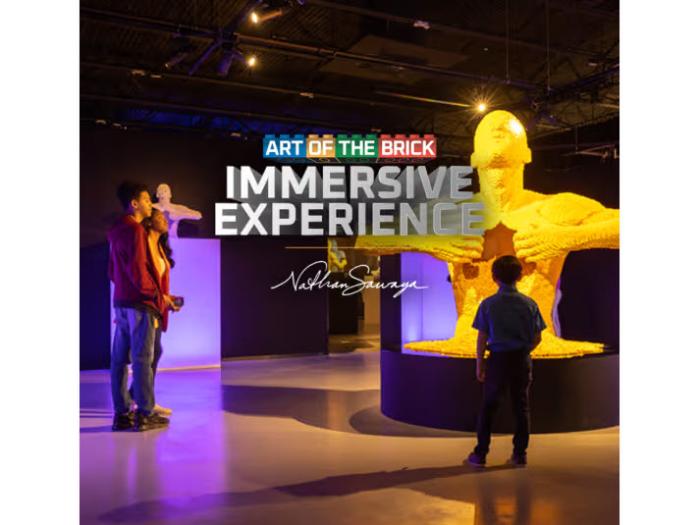
From Sunday 14th April 2024 @ Melbourne Showgrounds Official Tickets: fever.com Enter into the renewed immersive version of The Art of the Brick! Explore ten expansive th.. ..

Treat your mum to an unforgettable Mother's Day experience with our luxurious Mother's Day lunch cruise on the picturesque Yarra River. Embark on a relaxing and memorable journ.. ..

Daily until Sunday 19th May 2024 @ The Briars Community Forest* - Mount Martha Step Into The Wizarding World of Harry Potter and embark on a nighttime trail filled with magic. .. ..

Sunday 24th March 2024 - Sunday 26th May 2024 Under the Big Top, Flemington Racecourse Official Tickets: cirquedusoleil.com Cirque du Soleil is celebrating its 25th annive.. ..

Saturday 23rd March 2024 - Sunday 19th May 2024 Her Majesty's Theatre Official Tickets: ticketek.com.au Murder greed corruption exploitation adultery treachery...and All Th.. ..

Witness Impossible Occurrences one of Melbourne's most exclusive attractions. Award-winning magician Luke Hocking intrigues and amazes with astounding displays of magic illusi.. ..
#top picks
∞ 14th April 2024 to 30th June 2024
@ Melbourne Showgrounds | Ascot Vale From Sunday 14th April 2024 @ Melbourne Showgrounds
Official Tickets: fever.com
Enter into the renewed immersive version of The Art of the Brick!
Explore ten expansive themed rooms filled with impressive original collect ..
From Sunday 14th April 2024 @ Melbourne Showgrounds
Official Tickets: fever.com
Enter into the renewed immersive version of The Art of the Brick!
Explore ten expansive themed rooms filled with impressive original collect ..
∞ 6th April 2024 to 19th May 2024
@ The Briars Community Forest | Mount MarthaDaily until Sunday 19th May 2024 @ The Briars Community Forest* - Mount Martha
Step Into The Wizarding World of Harry Potter and embark on a nighttime trail filled with magic.
Walk into the depths of a dark forest and disco ..


∞ 3rd April 2024 to 2nd June 2024
@ The District Docklands | BrisbaneWednesday 3rd April 2024 - Sunday 2nd June 2024 @ The District Docklands
Official Tickets: fever.com
The NBA's first and only global touring exhibition takes you on a journey through the lifestyle, culture, and rich history ..


∞ 27th October 2023 to 28th April 2024
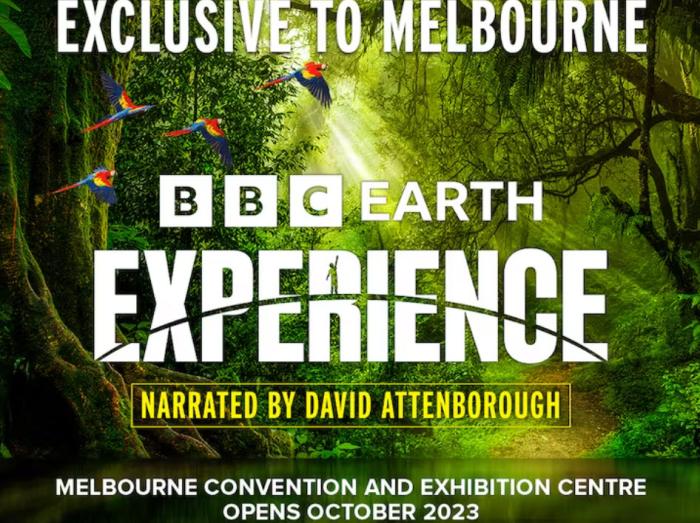
@ Melbourne Convention & Exhibition Centre | MelbourneUntil Sunday 28th April 2024 (extended)
Melbourne Convention and Exhibition Centre
Exclusive to Melbourne - Melbourne will become only the second city in the world to host the 360-degree walk-through audiovisual event, whic ..

∞ Sunday 21st April 2024
@ Ladbrokes Park | Sandown Racecourse | SpringvaleThe Melbourne Pedalthon is back!
Returning to Sandown Racecourse for our 5th year!
Whether you're a cycling enthusiast, looking for a fitness challenge, or simply a bunch of mates looking to jump on a bike and have some fun ..


∞ 20th April 2024 to 21st April 2024
@ Royal Exhibition Building | CarltonSaturday 20th April 2024 + Sunday 21st April 2024 @ Royal Exhibition Building
Big Vegan Market is BACK!
With over 180 Vegan vendors, you will experience all the best Vegan has to offer from all around the country!
The B ..

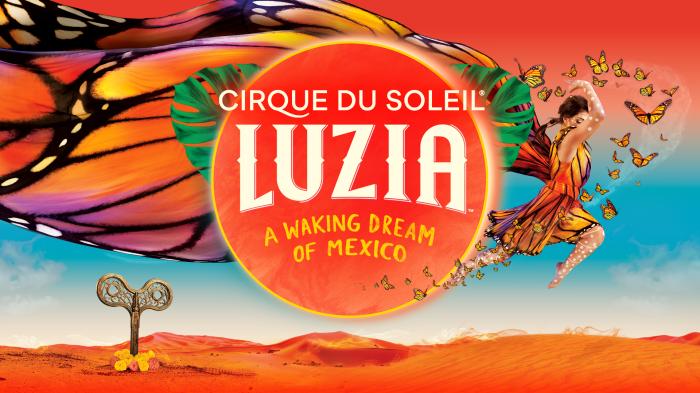
∞ 24th March 2024 to 26th May 2024
@ Flemington Racecourse | FlemingtonSunday 24th March 2024 - Sunday 26th May 2024
Under the Big Top, Flemington Racecourse
Official Tickets: cirquedusoleil.com
Cirque du Soleil is celebrating its 25th anniversary in Australia with critically acclaimed and j ..

∞ 24th January 2024 to 20th April 2024
@ Princess Theatre | MelbourneWednesday 24th January 2024 - Saturday 20th April 2024
Princess Theatre
Official Tickets: ticketek.com.au
Direct from its record-breaking run-in London Groundhog Day the Musical makes its Australian Premiere at Melbourne' ..

∞ Wednesday
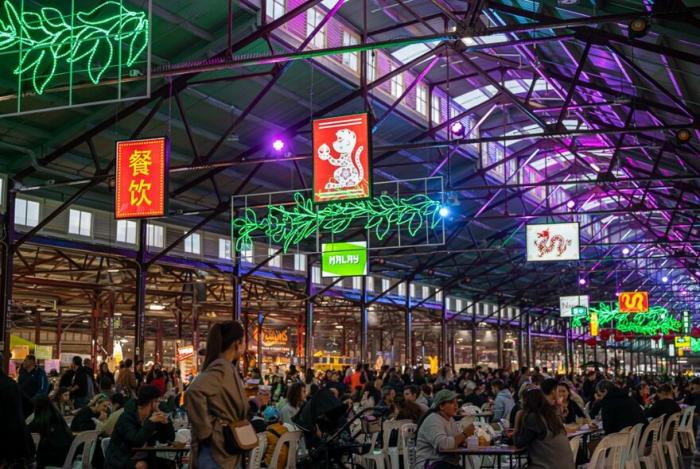
@ Queen Victoria Market | MelbourneWednesday nights - 10 APR - 8 MAY 2024
Queen Victoria Market
There's no need to wait until winter for another delicious night market in Melbourne!
Hawker 88 returns for five weeks of foodie fun, with different dishes to ..

∞ Sunday 21st April 2024
Enjoy a fun day out with your family, friends and special pets at Pets in the Park.
This free event is on Sunday 21 April at the new location of Knox Park - corner of Bunjil Way and Ferntree Gully Road in Knoxfield.
This po ..


∞ Monday, Tuesday, Wednesday, Thursday, Friday, Saturday, Sunday
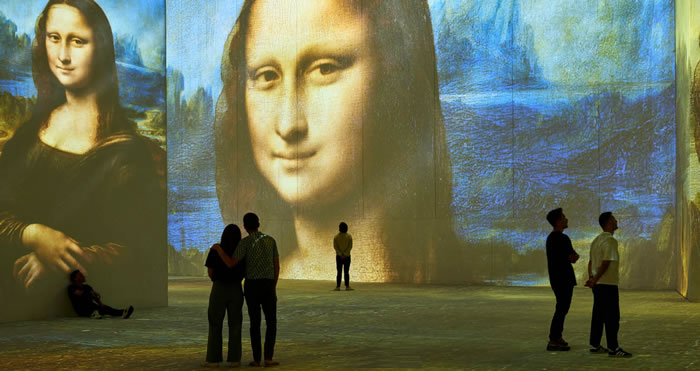
@ The Lume Melbourne: Digital Art Gallery | MelbourneOpens Saturday 16th March 2024
The Lume Melbourne Melbourne Convention & Exhibition Centre
Dedicated to exploring the life of the greatest creative genius the world has ever known, Leonardo da Vinci - 500 Years of Genius ..

∞ 1st April 2024 to 30th April 2024
Nine villages, one festival.
Unearth autumn in the Macedon Ranges this April. Enjoy a month-long program of vibrant farmers markets, curated trails and itineraries, open gardens, foodie experiences, artisan workshops and events ..


∞ 19th April 2024 to 21st April 2024
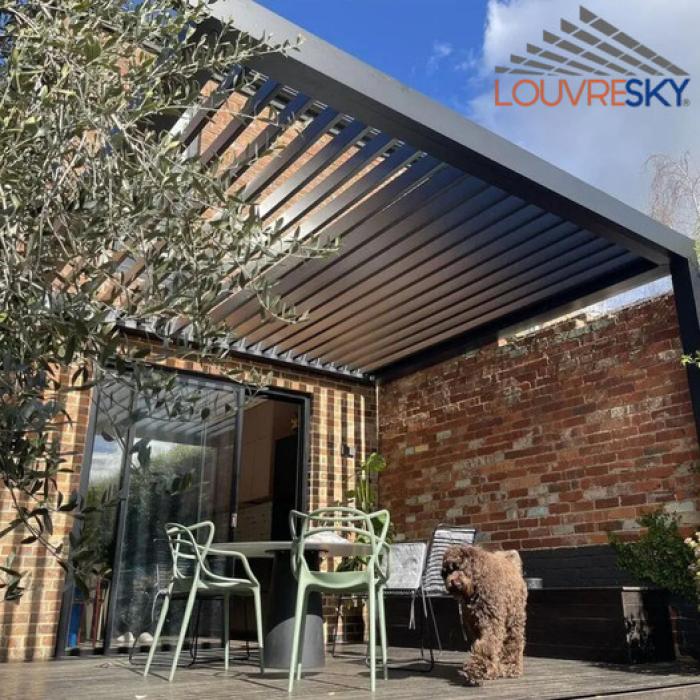
@ Melbourne Convention & Exhibition Centre | South WharfFriday 19th April 2024 - Sunday 21st April 2024 @ Melbourne Convention & Exhibition Centre
Planning on renovating your home's outdoor area in 2024?
The Melbourne Home Show is packed full of the latest products and design in ..

∞ 27th March 2024 to 21st April 2024
Wednesday 27th March 2024 - Sunday 21st April 2024
Melbourne becomes comedy capital of the UNIVERSE as we take over the city with an enormous program of stand-up comedy, cabaret, theatre, street performance, film, television, ..


∞ Friday, Saturday, Sunday
Make the most of your weekend in Melbourne with these fabulous events.
No city does it better than Melbourne so get out and discover the very best shows festivals dining community exhibitions activities and sport.
Our picks ..


∞ Saturday 20th April 2024
Celebrate your local record store!
Saturday 20th April 2024 - put the date in your diary for the next Record Store Day Australia.
Record Store Day highlights the unique experience of discovering music in your favourite musi ..


∞ Sunday 21st April 2024
@ Tan Track | MelbourneSunday 21st April 2024
Pillars of Wisdom, Tan Track
Run the Tan is a charity running festival featuring various key events taking on the challenging 3.8km course.
It will be held on Sunday 21 April and is a must-do event ..


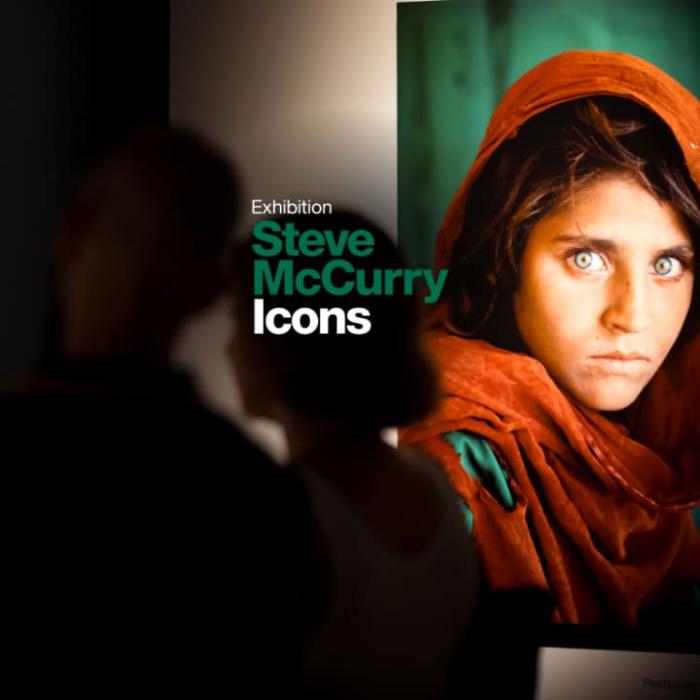
∞ 28th February 2024 to 20th April 2024
@ Seaworks Maritime Museum And Discovery Centre | WilliamstownWednesday 28th February 2024 - Saturday 20th April 2024
@ Seaworks Maritime Museum and Discovery Centre
Official Tickets: fever.com
Steve McCurry. ICONS is an extraordinary exhibition showcasing the work of Steve McCurry o ..

∞ Sunday 21st April 2024
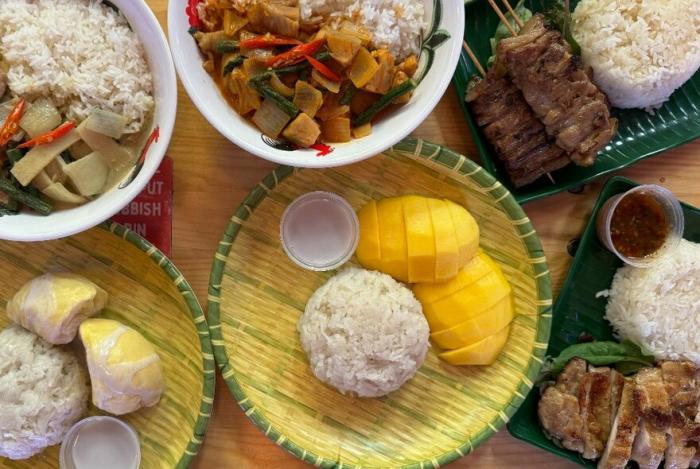
@ Ezistreat: Food Hall & Beer Garden | North MelbourneExperience the vibrant culture and mouthwatering cuisine of Thailand at the Thai Sunday Market.
Indulge in a sensory journey through authentic Thai flavours, from aromatic curries to spicy street food delights.
Explore over ..

∞ 16th December 2023 to 21st April 2024
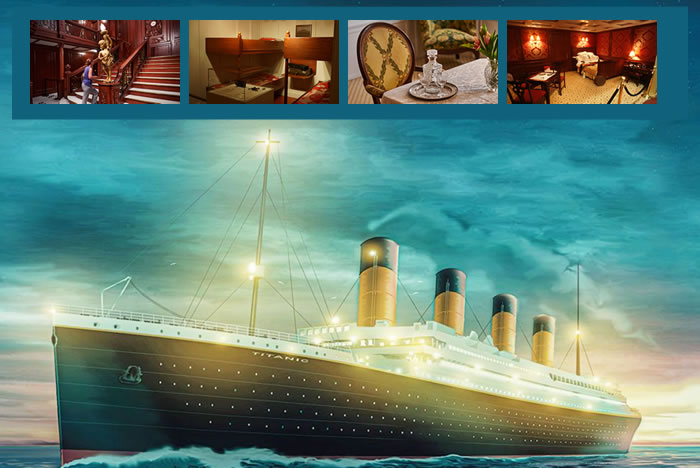
@ Melbourne Museum | CarltonTitanic: The Artefact Exhibition tickets are SOLD OUT.
High Tea + Titanic: The Artefact Exhibition is available for limited sittings.
Saturday 16th December 2023 - Sunday 21st April 2024 (extended)
Melbourne Museum
On ..
Melbourne Calendar
Pick A Date